
Recognizing hoarding in someone you care about feels uncomfortable. You might wonder if you’re overreacting or making too big a deal out of clutter. But when piles of possessions start affecting daily life, safety, or health, the situation moves beyond normal messiness into something that needs attention.
Hoarding disorder affects thousands of families across Knoxville, TN, and understanding what qualifies as a hoarder home can help you support someone who’s struggling.
What Actually Defines a Hoarder Home?
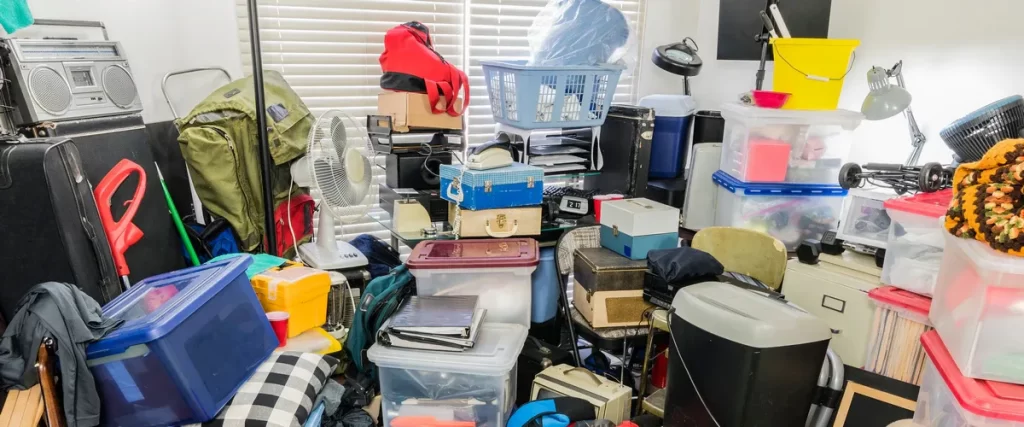
A hoarder home goes beyond the typical mess most people deal with. The difference lies in how the clutter impacts the ability to use living spaces for their intended purpose.
Can you walk through every room without navigating around piles? Can you cook in the kitchen, sleep in the bedroom, and bathe in the bathroom? If the answer is no, you’re looking at signs of hoarding.
Hoarding disorder is a recognized mental health condition where someone has persistent difficulty letting go of possessions, regardless of their actual value. The person feels a strong need to save items and experiences significant anxiety when trying to discard them. Over time, the accumulation creates living conditions that interfere with basic activities.
The International OCD Foundation notes that hoarding affects approximately 2-6% of the population. That means in a city like Knoxville, thousands of residents are dealing with this challenge right now.
Early Warning Signs Families Notice First
Hoarding usually develops gradually. Family members might notice small changes before the situation becomes severe.
Difficulty Discarding Items
The person keeps things that most people would throw away without a second thought. Old newspapers, broken appliances, empty containers, and packaging materials. When you suggest cleaning or organizing, they become defensive or distressed.
Accumulation of Free Items
They can’t pass up anything free. Flyers, promotional materials, items left on the curb. The thought of something going to waste causes genuine pain, so they bring it home “just in case.”
Excessive Acquisition
Shopping, collecting, or gathering becomes compulsive. They might visit thrift stores daily, accept every donation offer, or order things online constantly. The incoming flow never stops.
Rooms Losing Their Function
A spare bedroom becomes storage. Then the dining room. Soon, living spaces exist only as narrow pathways between stacks of belongings. You miss being able to sit together as a family because there’s nowhere to sit.
Physical Signs of a Hoarder House
Walk into a home affected by hoarding, and you’ll notice immediate differences from typical clutter.
| Living Area | What Normal Looks Like | What Hoarding Looks Like |
| Kitchen | Counter space for cooking, accessible cabinets | Counters covered with items, appliances buried, dishes piling up |
| Bedroom | Clear floor, accessible bed | Bed covered with items or pathway to reach it, clothes everywhere |
| Bathroom | Functional sink, toilet, shower/tub | Toiletries stacked high, difficulty accessing facilities, cleaning products unused |
| Hallways | Clear walkways | Narrow paths between stacks, sometimes requiring sideways movement |
| Living Room | Seating for family, open floor space | Furniture buried or unusable, stacks taking over the room |
The clutter creates more than visual chaos. It generates real safety concerns.
Health and Safety Risks

Fire hazards become serious as piles of paper, fabric, and other combustible materials accumulate.
Pests move in when food waste, garbage, and clutter provide ideal breeding grounds. Rodents, insects, and other unwanted creatures create additional health risks for everyone in the house.
Mold and mildew grow in areas that can’t be properly cleaned or ventilated. Air quality suffers. Respiratory problems develop, especially for children and older adults living in the space.
Structural damage happens when weight from accumulated possessions stresses floors, walls, and foundations. Some homes in Knoxville have required extensive repairs after years of hoarding caused significant damage to the property itself.
How Hoarding Affects Daily Life
The impact extends far beyond the physical space. Hoarding touches every aspect of life for the person involved and their family.
Social Isolation
Most people with a hoarding disorder stop inviting friends and neighbors over. The shame and embarrassment become overwhelming. They might miss important social connections and community involvement that would otherwise benefit their mental health.
Family Relationships
Children growing up in hoarding situations often carry guilt and anxiety into adulthood. They might struggle to bring friends home, feel responsible for fixing the problem, or face neglect when the hoarding takes priority over their needs.
Adults living with someone who hoards often feel helpless. Talking about the issue leads to arguments. Any attempt to clean causes distress. The strain can tear families apart.
Financial Impact
The costs add up quickly. Constantly acquiring items drains bank accounts. Property damage requires expensive repairs. Some homeowners face code violations or lose the ability to sell their house without major cleanup and restoration work.
Employment and Productivity
When living conditions deteriorate, maintaining focus at work becomes difficult. Some people lose jobs because they can’t manage their time or keep up with basic self-care. Others use work as an escape, staying away from home as much as possible.
Understanding Hoarding Disorder as a Mental Health Condition
Hoarding behaviors often connect to other mental health challenges. Many people with hoarding disorder also experience depression, anxiety, or obsessive-compulsive disorder. Some began hoarding after trauma, loss, or a major life change.
The person genuinely believes they need these possessions. Convincing them otherwise rarely works because the attachment runs deeper than logic. They might see potential value in every item, feel responsible for objects, or find comfort in being surrounded by their belongings.
Treatment usually involves therapy, specifically cognitive behavioral therapy designed for the hoarding disorder. Medication can help when depression or anxiety contributes to the hoarding behaviors. Support groups create space for people to share experiences without judgment.
The Knox County Health Department offers resources for residents dealing with mental health challenges, including information about accessing treatment and support services in the Knoxville area.
When Neighbors and Community Members Get Involved
Sometimes the situation becomes visible from outside the property. Trash piling up in the yard, items blocking windows, or odors spreading to neighboring homes prompt concerns from community members.
Neighbors might contact local authorities when they worry about safety, property values, or health risks. Code enforcement can issue violations. In extreme cases, adult protective services or child protective services may investigate if vulnerable people live in unsafe conditions.
These interventions often feel intrusive to the person hoarding, but they sometimes provide the push needed to seek help and move forward with cleanup.
Levels of Hoarding Severity
Mental health professionals use a scale to categorize hoarding situations:
Level 1 shows minor clutter with all rooms still functional. Doors and stairs remain accessible. No odors or safety hazards present.
Level 2 involves one major appliance not working for at least six months, clutter blocking some exits, light pest presence, and mild odors.
Level 3 means at least one room has lost its function, dirty dishes stacking up, noticeable odors, and visible pests.
Level 4 includes structural damage, sewage issues, significant pest infestations, and most rooms unusable.
Level 5 represents severe conditions with fire hazards throughout, no working utilities, rotting food, and extreme clutter making the home unlivable.
If you recognize level 3 or higher, the situation requires professional intervention soon.
Frequently Asked Questions
How do I talk to a family member about their hoarding?
Approach the conversation with compassion. Express your concerns about their health and safety rather than focusing on the mess. Listen to their perspective. Offer to help them find resources and support rather than demanding immediate change.
Can hoarding disorder be cured?
Treatment can help people manage hoarding behaviors and improve their living conditions. Recovery takes time and ongoing effort. Many people make significant progress with proper support.
What happens if someone refuses help?
You can’t force someone to change unless their living conditions pose immediate danger. Continue offering support, setting boundaries to protect your own well-being, and exploring what resources exist in Knoxville for families affected by hoarding.
Is it common for hoarding to run in families?
Research suggests genetic and environmental factors both play a role. Children who grow up in hoarding situations sometimes develop similar patterns, though many do not.
How long does cleanup take?
The timeline varies dramatically based on severity. Some homes require a few days, others need weeks. Professional help speeds up the process significantly.
Getting Help for a Hoarder Home in Knoxville
Reading through all these warning signs, risk factors, treatment options, and intervention strategies might leave you feeling overwhelmed. The reality of dealing with a hoarder home involves navigating complex emotions, coordinating mental health support, managing safety concerns, and eventually tackling the massive physical task of cleanup.
If you’re at the point where the living space needs restoration, trying to handle it alone rarely works. The sheer volume of items, the need to sort carefully, the proper disposal of garbage and donations, and the emotional weight of the entire process create a situation that benefits from professional assistance.
That’s where we come in. We understand that hoarding situations require sensitivity, patience, and experience. Our team works with families throughout Knoxville to create clean, safe living spaces while respecting the person and their journey. We’ll sort through belongings, identify items to keep or donate, haul away the rest, and help restore the property to a livable condition.
Ready to take the first step? Call us at (865) 535-5865 or message us here to discuss your situation. We’ll answer your questions, provide a free quote, and create a plan that works for your family. Learn more about our hoarder cleanout services and how we can help you move toward a healthier, safer living environment.