
Cleaning out a home sounds straightforward until you realize some situations require a hazmat suit and a therapist on speed dial. Regular cleanouts and hoarder cleanouts might both involve removing unwanted items, but that’s where the similarities end.
If you’ve ever walked into a space packed floor to ceiling with decades of accumulated belongings, newspapers from 1987, and mysterious smells you can’t quite identify, you know this goes beyond grabbing some trash bags and calling it a day. Hoarding cleanup services handle what most junk removal companies won’t touch, and understanding the difference could save you from making a very expensive, potentially dangerous mistake.
What Makes a Regular Cleanout… Regular?
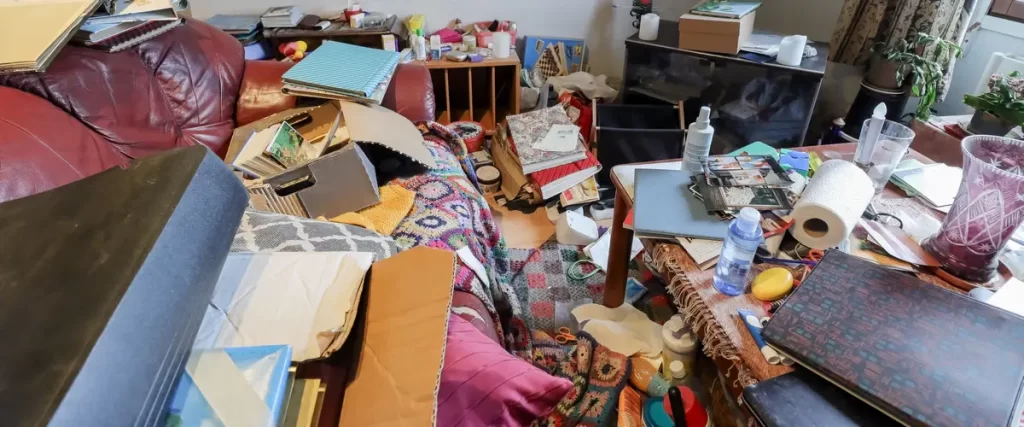
A regular cleanout is what happens when life moves forward. Someone’s downsizing, moving across the state, clearing out a rental property between tenants, or finally dealing with the garage that’s been collecting dust for five years. The volume might be significant, but the process is predictable.
You’ve got furniture that’s seen better days, boxes of stuff nobody wants, maybe some old appliances, yard equipment, and the remnants of hobbies people lost interest in years ago. Everything’s accessible. You can walk through rooms. Doors open. You’re not climbing over piles to reach the bathroom.
Most regular cleanouts involve:
- Straightforward removal of furniture, appliances, and general household items
- Minimal health risks beyond some dust and the occasional spider
- Standard disposal methods like donation, recycling, or landfill
- Quick timelines because there are no layers of complexity
- No biohazards unless someone’s been really creative with storage
The crew shows up, loads the truck, maybe makes a second trip if there’s a lot, and you’re done by lunch. The space is empty, broom-ready, and you can move on with your life. That’s a regular cleanout.
When Regular Becomes a Hoarding Situation
Hoarding disorder changes everything. Suddenly you’re not dealing with clutter, you’re dealing with a mental health crisis that manifested in stuff. Lots and lots of stuff. The Substance Abuse and Mental Health Services Administration recognizes hoarding as a serious condition that affects millions of Americans, and the physical cleanup is only part of the solution.
A hoarding cleanout means navigating narrow pathways between stacks that could topple at any moment. It means finding rotten food from months, sometimes years ago. It means dealing with animal waste, rodent infestations, and structural damage from the sheer weight of accumulated belongings. The health risks alone put this in a different category.
Hoarding cleanup involves challenges that regular cleanouts never touch:
- Biohazard materials like spoiled food, animal feces, and bodily fluids
- Pest infestations from rodents, insects, and sometimes worse
- Structural concerns because decades of weight can compromise floors and walls
- Emotional complexity since every item might trigger resistance or distress
- Specialized equipment including protective gear and industrial cleaning tools
- Longer timelines because sorting takes time when everything matters to someone
You can’t just load and go. Every layer reveals something worse. The smell hits you before you open the door. Unstable piles become hazards the moment you touch them. Fire hazards are everywhere. And somewhere in the middle of it all, there’s a person who needs help, not judgment.

The Real Differences: Side by Side
| Aspect | Regular Cleanout | Hoarder Cleanout |
| Timeline | Hours to a day | Days to weeks |
| Safety Gear | Work gloves, basic protection | Full protective gear, respirators, hazmat suits |
| Health Risks | Minimal, mostly dust | Severe: mold, bacteria, animal waste, hazardous substances |
| Emotional Component | Low, mostly transactional | High, requires sensitivity and often professional intervention |
| Structural Concerns | Rare | Common: floor damage, compromised walls, pest damage |
| Disposal Process | Standard sorting and hauling | Specialized handling for biohazards and contaminated items |
| Team Training | General junk removal | Mental health awareness, biohazard certification, trauma-informed approach |
| Cost | Predictable, based on volume | Variable, depends on severity and additional services needed |
Why You Can’t Treat Them the Same Way
Sending a regular junk removal crew into a hoarding situation is like sending a gardener to perform surgery. They might have tools, they might mean well, but they’re not equipped for what they’re about to encounter.
Hoarding environments demand expertise that most cleanout teams don’t have. You need people trained in biohazard cleanup who know how to handle hazardous waste without contaminating themselves or the property further. You need crews who understand the psychological aspects of hoarding and won’t treat someone’s lifetime of belongings like garbage, even when it literally is garbage.
The emotional challenges alone require a different approach. Family members are often involved, emotions run high, and every decision about what stays and what goes can trigger conflict or distress. A cleanup team working a hoarding situation needs patience, empathy, and the ability to work alongside social workers or mental health professionals when needed.
Then there’s the safety angle. Hidden hazards are everywhere in hoarding environments. Unstable piles that could collapse and injure someone.
Rotten food that’s breeding bacteria. Animal waste creates health risks throughout the property. Spoiled food attracting pests that have now set up residence in the walls. You need trained professionals who recognize these risks and know how to mitigate them.
What Professional Hoarding Cleanup Actually Involves
Deep cleaning after the bulk removal is where hoarding cleanouts really separate from regular jobs. You’re not just sweeping up and calling it done. You’re sanitizing surfaces that haven’t seen daylight in years. You’re treating for pests. You’re assessing structural damage and deciding what needs repair before the space is livable again.
A proper hoarding cleanout service creates a customized cleanup plan because every situation is different. Some homes have relatively mild accumulation. Others require full biohazard protocols. The team has to assess the scope, identify safety risks, plan the approach, and then execute it in phases.
The process typically includes:
- Initial assessment and safety evaluation
- Coordination with family members and mental health professionals
- Proper handling of personal items with sensitivity
- Safe removal of biohazards and contaminated materials
- Pest treatment and remediation
- Deep cleaning and sanitization
- Structural assessment for damage
- Final walkthrough and recommendations
Some hoarding cleanup services offer ongoing support because the physical cleanup is only part of the solution.
The person who created the environment needs continued help, whether that’s ongoing therapy, support groups, or regular check-ins to prevent relapse. A good cleanup team understands this and can connect clients with resources.
The Cost of Doing It Wrong
Hiring the wrong team for a hoarding cleanout can make things worse. An untrained crew might toss everything indiscriminately, destroying important documents or sentimental items mixed in with the trash.
They might not follow proper safety protocols and expose themselves or others to health risks. They might lack the insurance to cover injuries or property damage that occur during the job.
Worse, they might approach the situation with judgment or impatience that traumatizes the person who’s already struggling. Hoarding disorder requires compassion. The cleanup team becomes part of a larger intervention, and how they handle it matters.
Regular junk removal companies know their limits. The good ones will tell you upfront if a job requires specialized hoarding cleanup services. The questionable ones will take your money and leave you with a half-finished disaster.
Can a Regular Cleanout Ever Become a Hoarding Job?
Sometimes. What looks like extreme clutter might actually be moderate hoarding. What seems manageable at first glance turns out to have layers of complexity once you start digging. The line between excessive clutter and a hoarding situation can blur.
If you’re finding biohazards, if there are pest infestations, if the person living there shows extreme distress about removal, if there’s structural damage, you’ve crossed into hoarding territory. At that point, you need professional cleanup services with the right training and equipment.
FAQs About Hoarding Cleanouts
How long does a hoarder cleanout take compared to a regular cleanout?
Regular cleanouts usually wrap up in a few hours, maybe a full day for larger homes. Hoarding cleanouts can take days or even weeks depending on severity. Every layer has to be sorted carefully, biohazards need proper handling, and you can’t rush through emotional decisions about personal items. Speed matters less than doing it right.
Do hoarder cleanouts always require special equipment?
Yes, almost always. At minimum you need protective gear like respirators, gloves, and coveralls. Many jobs require specialized cleaning equipment, sanitizers, and tools for handling contaminated materials. Regular work gloves and a mask won’t cut it when you’re dealing with animal waste or mold.
Can family members help with a hoarding cleanout?
They can, but it’s complicated. Family members provide emotional support and help make decisions about personal items, but they shouldn’t be doing the physical labor in hazardous conditions. A trained cleanup team handles the dangerous work while family members guide decisions and offer support. Sometimes having family present makes things harder emotionally, and professional teams know how to navigate that.
What happens to items removed during a hoarding cleanout?
Everything gets sorted. Valuable items and personal documents get set aside. Donations go to charities when appropriate. Recyclables get processed properly. Biohazards and contaminated materials go to specialized disposal facilities. Trash goes to the landfill. The goal is to salvage what matters and dispose of the rest responsibly, following local regulations for hazardous waste.
Is hoarding cleanup covered by insurance?
Sometimes. Homeowners insurance might cover cleanup if the hoarding caused structural damage or created covered hazards. Health insurance occasionally covers parts of the process if it’s connected to mental health treatment. Most of the time, though, families pay out of pocket. It’s worth checking with insurance providers because policies vary and you might have coverage you didn’t know about.
Maybe Just Call Someone Who Knows What They’re Doing
Look, after everything we’ve just walked through, the biohazards, the emotional complexity, the specialized equipment, the days or weeks of intensive labor, maybe you’re thinking this sounds like a lot to manage on your own. You’d be right.
Hoarding cleanouts require expertise that goes beyond moving furniture and hauling trash. You need people who’ve done this before, who know how to work with families in crisis, who have the certifications to handle biohazards safely, and who won’t judge someone for a situation they couldn’t control.
We’ve handled hoarding situations across Knoxville and surrounding areas long enough to know every job is different.
Some homes need a full hazmat approach. Some need gentle, patient sorting over days. All of them need respect for the person who’s been living there and understanding that the cleanup is part of a bigger healing process.
If you’re facing a hoarding situation, whether for yourself or someone you care about, you can call us at (865) 535-5865 or message us here. We’ll assess what you’re dealing with, explain what’s involved, and create a plan that prioritizes safety and dignity.
For more details on how we approach these sensitive situations, check out our hoarder cleanouts page.
The difference between a regular cleanout and a hoarding cleanout comes down to complexity, risk, and the human element. One requires a truck and some muscle. The other requires training, compassion, and a team that knows what they’re walking into. Choose accordingly.