Walking into a hoarder’s house often reveals more than just clutter. Hidden beneath piles of belongings, you might find biological hazards that pose serious threats to everyone involved. These biohazards create an environment where health complications can develop quickly, and casual cleanup attempts can expose people to dangerous pathogens.
If you’re dealing with a hoarding situation in Knoxville, understanding the biohazard risks helps you recognize when professional assistance becomes necessary.
What Qualifies as a Biohazard?
A biohazard refers to any biological substance that threatens human health. In hoarding situations, these materials accumulate over time and create layers of contamination that regular cleaning methods can’t address safely.
Bodily fluids like blood, urine, and feces contain harmful pathogens that can survive on surfaces for extended periods. Someone with pre-existing conditions faces even greater risk when exposed to these contaminants.
Animal waste from pets or infestations carries bacteria, viruses, and parasites. The presence of rodent droppings, dead animals, or pet accidents creates an ideal environment for disease transmission.
Decomposing organic matter includes rotting food, dead animals, and other biological materials that breed dangerous bacteria. The longer these items sit, the worse the contamination becomes.
Mold growth spreads rapidly in hoarding environments where moisture and poor ventilation combine. Some mold species produce toxins that cause severe respiratory problems and other health issues.
Common Biohazards Found in Knoxville Hoarder Homes
Each hoarding situation presents unique challenges, but certain biohazards appear frequently in severe cases.
Human Waste Contamination
Plumbing failures often go unaddressed in hoarded homes. Toilets overflow, sewage backs up, or residents unable to access bathrooms resort to using containers. The result is human waste spreading through the living space, creating massive contamination zones.
Animal Infestations and Waste
Rodents, insects, and other pests thrive where clutter provides shelter and food sources. Their droppings, urine, and decomposing bodies scatter throughout the property. Some species carry diseases like Hantavirus, Salmonella, and Leptospirosis.
Needles and Sharp Objects
Medical waste sometimes appears in hoarding situations, particularly when residents manage chronic health conditions at home. Used needles, lancets, and other sharps pose immediate injury risks and potential exposure to bloodborne pathogens like Hepatitis B and HIV.
Decomposition and Death
Sadly, some hoarding situations involve undiscovered deaths of pets, pests, or in tragic cases, even humans. Decomposition releases bodily fluids and creates airborne particles that spread contamination far beyond the immediate area.
Health Risks from Biohazard Exposure

The potential health risks in hoarded environments affect both the hoarder and anyone who enters the property.
| Biohazard Type | Primary Health Threats | Exposure Routes |
| Human waste | E. coli, Hepatitis A, intestinal parasites | Direct contact, airborne particles, contaminated surfaces |
| Animal droppings | Hantavirus, Salmonella, histoplasmosis | Inhalation, direct contact, contaminated food or water |
| Mold spores | Respiratory infections, allergic reactions, toxic reactions | Inhalation, skin contact |
| Bloodborne pathogens | HIV, Hepatitis B/C, bacterial infections | Direct contact with bodily fluids, needle sticks |
| Decomposition bacteria | Severe infections, sepsis, respiratory illness | Inhalation, direct contact, contaminated surfaces |
People with weakened immune systems, respiratory conditions, or other pre existing medical issues face amplified dangers. Children and elderly individuals living in these environments are particularly vulnerable.
Why DIY Cleanup Creates More Danger
You might think grabbing some gloves and trash bags will get the job done. That approach works for everyday messes but fails catastrophically with biohazardous materials.
Improper disposal of biohazardous waste violates local regulations and can spread contamination to sanitation workers, landfills, and the broader community. The Tennessee Department of Environment and Conservation sets specific guidelines for handling and disposing of hazardous materials, and violations carry serious penalties.
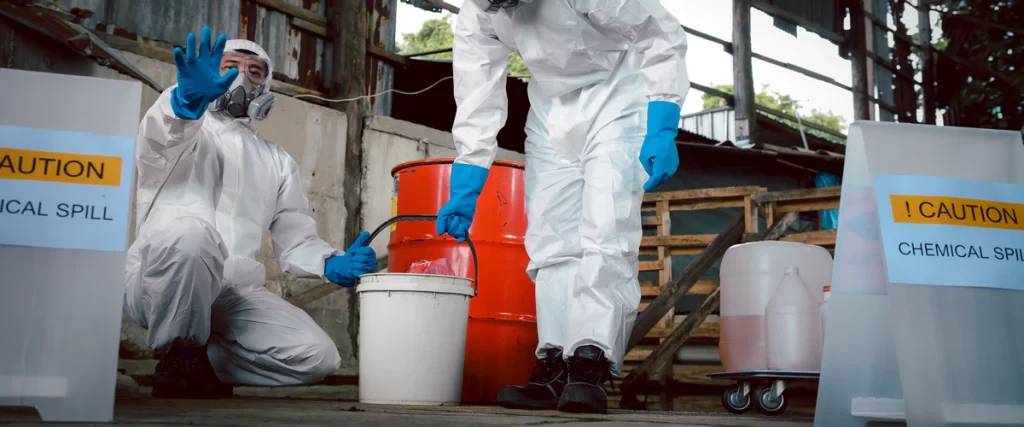
Inadequate protection leaves you exposed to pathogens. Regular cleaning gloves and dust masks don’t provide sufficient barriers against biohazards. You need appropriate PPE including hazmat suits, respirators, goggles, and specialized protective gear designed for biohazard situations.
Cross-contamination happens easily when you don’t follow proper protocols. Walking through contaminated areas and then into clean spaces spreads pathogens. Touching your face, eating, or leaving the site without proper decontamination puts you and your family at risk.
Incomplete removal of biohazardous materials leaves ongoing health hazards. Surface cleaning might look effective but fails to eliminate pathogens embedded in porous materials, hidden in cracks, or present as airborne particles.
What Professional Biohazard Cleanup Involves
Certified technicians approach hoarding cleanup with specialized knowledge and equipment designed specifically for handling hazardous materials.
Initial Assessment and Planning
The team surveys the entire property to identify all biohazards present. They develop a cleanup strategy that addresses contaminated surfaces, structural damage, ventilation needs, and proper disposal routes. This planning phase ensures safety throughout the process.
Proper Personal Protective Equipment
Professionals wear hazmat suits, respirators rated for biological hazards, multiple layers of gloves, eye protection, and boot covers. This gear creates barriers between workers and potentially infectious materials.
Containment and Ventilation
Affected areas get sealed off to prevent further contamination. Specialized equipment filters air to remove airborne particles and protect both workers and other parts of the property.
Removal and Disposal
Hoarded items get sorted based on contamination level. Biohazardous materials receive proper handling according to applicable health regulations. Some items require incineration, others need treatment before landfill disposal, and potentially infectious materials follow strict chain of custody protocols.
Deep Cleaning and Disinfection
After removing contaminated items, the cleaning process begins. Specialized cleaning agents and medical-grade disinfectants treat all surfaces. Porous materials that can’t be fully decontaminated get removed and disposed of properly.
Air Quality Restoration
HEPA filtration systems remove remaining airborne particles. The space gets tested to confirm safe air quality before anyone returns to the living space.
Final Verification
Testing confirms that biohazards have been eliminated and the environment meets safety standards. Documentation provides proof of proper cleanup, which matters for insurance claims and legal requirements.
Fire Safety Risks in Biohazard Environments
Biohazards compound other dangers present in hoarding situations. Fire safety risks multiply when flammable materials mix with biological contamination. A small fire in a hoarded home can quickly spread, and responding firefighters face additional hazards from biohazardous smoke and debris.
Chemical reactions between cleaning products, bodily fluids, and decomposing materials can create toxic fumes or explosive conditions. Professionals understand these interactions and handle situations accordingly.
Legal and Insurance Considerations
Knoxville property owners dealing with biohazard contamination face specific legal obligations. Failure to properly clean and remediate can result in code violations, condemnation of the property, or liability if others become ill.
Insurance coverage for biohazard cleanup varies widely. Some policies include remediation services, others exclude hoarding-related claims. Professional cleanup companies often help with the claims process by providing detailed documentation and working directly with insurance adjusters.
Protecting Public Health in Hoarding Cases
Biohazard situations in hoarding environments don’t just affect the residents. Neighbors can be exposed to pests that migrate between properties. First responders called to emergencies face unexpected health hazards. Future occupants of the property remain at risk if cleanup was incomplete.
Proper handling of biohazardous materials and ensuring compliance with regulations protects everyone in the community. Professional teams follow protocols designed to prevent disease transmission and environmental contamination.
Frequently Asked Questions
How do I know if a hoarded home contains biohazards?
Visible signs include strong odors, pest infestations, moisture damage, visible mold, or any evidence of bodily fluids. Any hoarding situation at level 3 or higher on the severity scale likely involves some biohazard risk.
Can I protect myself with store-bought protective gear?
Basic hardware store supplies don’t provide adequate protection against biohazards. Professional-grade equipment undergoes testing and certification for specific threat levels. Improper use of any protective gear can create a false sense of security.
What happens to items removed from a biohazard scene?
Contaminated items follow strict disposal protocols. Some go to special landfills, others require incineration, and certain materials need treatment before disposal. Professionals track everything to ensure compliance with local regulations.
How long does biohazard cleanup take?
The timeline depends on the size of the property and the severity of contamination. A single room might take a day, while an entire house could require a week or more. The process can’t be rushed without compromising safety.
Will my family need to relocate during cleanup?
Yes. Living on site during biohazard remediation exposes you to health risks and interferes with the work. Plan for temporary housing until the property is fully decontaminated and tested safe.
Leave Biohazard Cleanup to the Experts
After reading about the complex process of identifying biohazards, understanding exposure risks, selecting appropriate protective equipment, following disposal regulations, and coordinating all the specialized steps involved in proper remediation, you’re probably feeling overwhelmed. That’s the right response.
Biohazard cleanup in hoarding situations requires specialized training, certified equipment, knowledge of health regulations, and experience handling potentially deadly materials. Attempting this work yourself puts your health at serious risk, exposes you to legal liability, and often leaves dangerous contamination behind.
Our team handles biohazard cleanup with the expertise and equipment needed to ensure safety for everyone involved. We follow all applicable health regulations, use proper protective gear, employ medical-grade disinfectants, and guarantee thorough decontamination of affected areas. You can trust us to restore the property to a safe, livable condition while protecting public health.
Ready to address the biohazard risks in your property? Call us at (865) 535-5865 or message us here for a confidential assessment. We’ll evaluate the situation, explain the cleanup process, and provide a detailed quote. Learn more about our junk removal services and how we can help you safely navigate this challenging situation.